Beginner hand-tool sets
A way to cover common measuring, fastening and gripping needs. Check the actual sizes and tool types rather than the piece count.
 chuck & bit.Our approach
Starter sets and combination kits: look at what you will actually use.
A kit can be a sensible shortcut when its contents match a real list of jobs. It can also make unused pieces look like a bargain. Compare useful contents, battery arrangements and storage before deciding whether a set beats buying a smaller selection separately.
What to check before buying ↓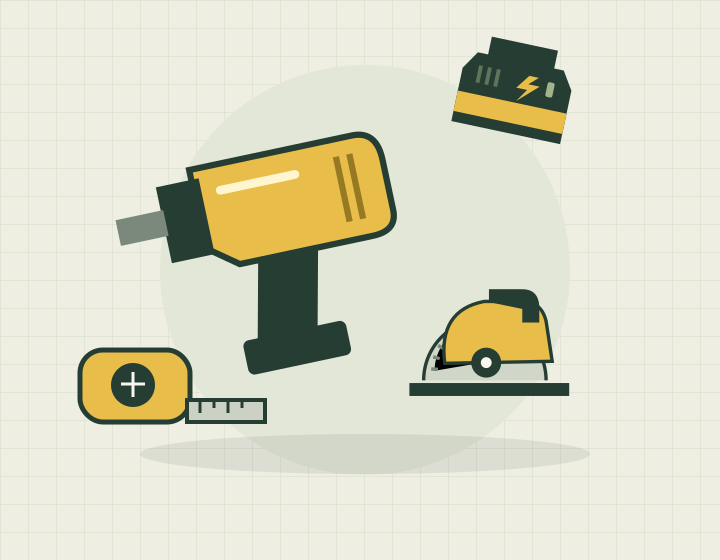 Start with the job.
A way to cover common measuring, fastening and gripping needs. Check the actual sizes and tool types rather than the piece count.
Bundle tools and sometimes batteries, chargers or cases. The supplied battery mix and exact model numbers are important parts of the comparison.
Accessory or specialist sets can fill a defined need, but may require supporting tools or experience that the bundle does not include.
Keep these checks beside you when comparing models, kits and retailer listings.
Compare a tool-only purchase with a complete package without being distracted by bundle sizes or headline prices.
See the differences →Choose a small, useful collection around the jobs you expect to do, with room to grow as you learn.
Read the guide →Compare tool sets and cordless combination kits by the jobs they cover, the accessories you need and the cost of getting started.
Read the guide →Turn a vague idea into a manageable job, with a clear scope, a realistic shopping list and a sensible stopping point.
Read the guide →
Measuring, marking, gripping and fastening tools that earn their space.
Explore the category →
Understand cordless ecosystems before committing to your next tool.
Explore the category →Clear explanations of the specifications and decisions behind better DIY.
Explore the category →These guides explain tool types and buying decisions. They are not hands-on product tests or model rankings. Check current instructions for exact tools, accessories and compatibility. Read our approach.