 chuck
Educational guide based on our supplied DIY glossary. No hands-on testing or external source verification. Check current instructions for your exact tools and materials.
What the grit number means
Sanding grit describes the size of the abrasive particles. Lower numbers are generally coarser: they remove material more readily and leave more noticeable scratches. Higher numbers are generally finer and leave a less pronounced scratch pattern. Neither end of the scale is automatically better.
A coarse abrasive can be useful when the job genuinely calls for material removal. It can also leave unnecessary work if all you needed was a light preparation of a sound surface. Start by asking what the sanding is meant to achieve, rather than reaching for the roughest sheet in the drawer.
Choose for the surface and the next coating
Bare timber, filler and an existing painted finish do not necessarily need the same treatment. The abrasive must suit the material, while the final surface must suit the product going over it. Read the finish manufacturer’s preparation advice before deciding how fine to go.
A beautifully polished surface is not always the right base for paint. Some coatings need a suitably prepared key to help adhesion. Equally, a coarse scratch pattern may show through a thin finish. There is no single grit sequence that fits every timber, coating and repair.
Think about the backing and the tool
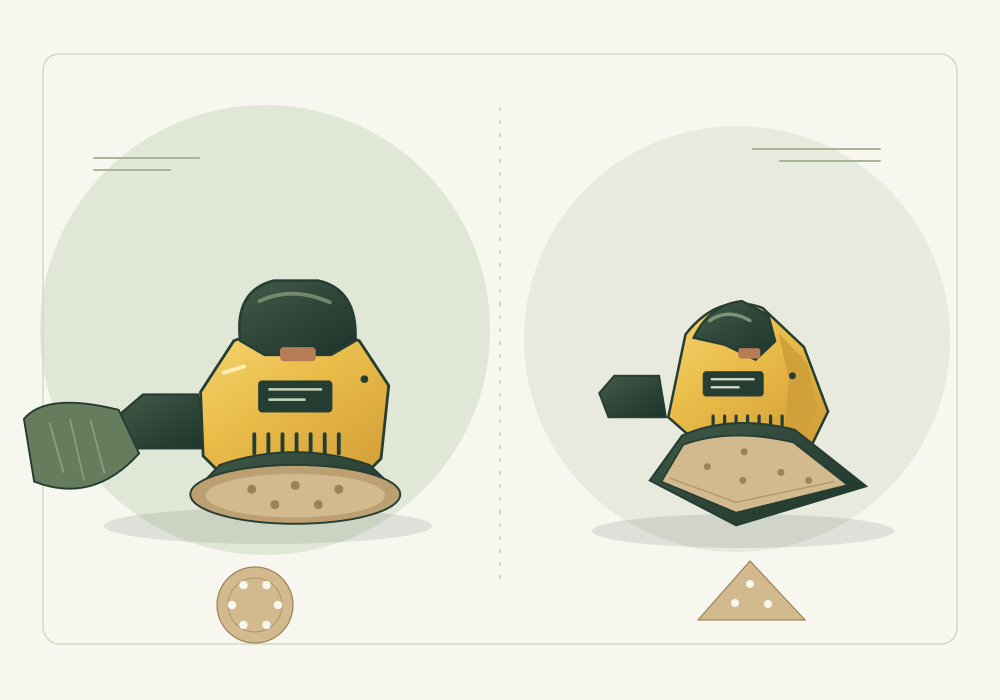
Sandpaper is a familiar name, but abrasive sheets, discs and pads use different backings and attachment systems. Check the size and fixing pattern for your sander. Where a machine uses extraction holes, the abrasive must allow the intended airflow rather than covering it.
For hand sanding, a suitable sanding block supports the paper and spreads pressure over an area. It can make sense for a small, flat repair where a powered sander would be awkward. Shapes and mouldings may need a different approach to avoid flattening details.
- Check the abrasive is intended for the material.
- Match discs or sheets to the machine’s attachment and extraction pattern.
- Buy for the actual area and task, rather than collecting every available grade.
Avoid making more work
Do not assume extra pressure will solve slow progress. A worn or clogged abrasive may stop cutting effectively, while too much pressure can make it harder to control the tool. Check the machine and abrasive instructions, and inspect the surface rather than judging progress only by how long you have been sanding.
It is worth trying the intended abrasive on an inconspicuous, safe part of the material or a suitable offcut. Look at whether it removes what you need without leaving damage that the next preparation stage cannot reasonably address.
Know when sanding needs a different plan
Before disturbing an old finish or unfamiliar building material, find out what it is. Older paint may contain lead, and some building products may contain asbestos. Do not use sanding as a way to investigate a suspect surface. Seek appropriate assessment before creating dust.
For materials that are suitable to sand, plan dust collection and any respiratory protection around the hazard and the equipment instructions. A vague “dust mask” label does not establish that a product provides suitable protection. Keep other people and nearby rooms in mind when planning the work.
The takeaway
- Lower grit numbers are generally coarser; choose for the job rather than the number alone.
- Match the abrasive to the material, machine and coating requirements.
- Identify old or suspect finishes before disturbing them.